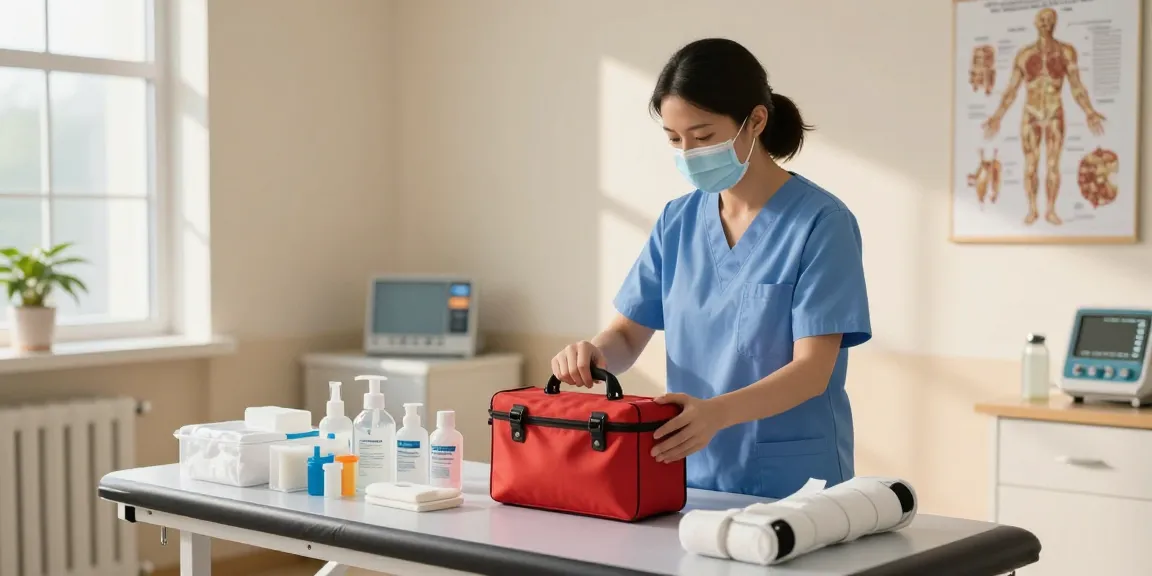
Understanding the Importance of Medical Kits in Healthcare
Medical kits play a crucial role in the healthcare landscape, serving as essential tools for both professionals and laypersons during emergencies. These kits are equipped with vital supplies designed to address a variety of medical situations, from minor injuries to life-threatening emergencies. When exploring options, Medical kits provide comprehensive insights into how these life-saving resources can be tailored to meet the needs of different environments.
What Are Medical Kits and Their Components?
Medical kits are collections of medical supplies and equipment that are organized to treat various health issues effectively. They are typically categorized into different types based on their intended use, such as first aid kits, trauma kits, and specialized kits for specific medical conditions. Key components often include:
- Basic first aid supplies (bandages, antiseptics)
- Medical instruments (scissors, tweezers)
- Medications (pain relievers, anti-inflammatories)
- Emergency response items (CPR masks, tourniquets)
- Customized items based on user needs (e.g., EpiPens for allergies)
Key Benefits of Having Medical Kits
Medical kits are beneficial for several reasons:
- Immediate access to care: With a well-stocked medical kit, you can provide immediate assistance in emergencies, potentially saving lives.
- Diverse application: These kits can be utilized in various settings including homes, workplaces, schools, sports events, and outdoor activities.
- Peace of mind: Knowing that you are prepared for medical emergencies fosters confidence and reduces anxiety in stressful situations.
Common Misconceptions About Medical Kits
Despite their importance, several misconceptions about medical kits persist. One common belief is that only healthcare professionals need comprehensive kits. In reality, everyone can benefit from having access to medical supplies. Another misconception is that all kits are the same. In fact, the effectiveness of a medical kit lies in its customization based on the specific needs and environment of the user.
Choosing the Right Medical Kits for Your Needs
Choosing the appropriate medical kit is vital to ensure readiness for emergencies. Factors to consider include the kit’s intended purpose, the environment where it will be used, and any specific medical conditions that should be addressed.
Factors to Consider When Selecting Medical Kits
When selecting a medical kit, consider the following:
- Intended use: Determine if the kit will be for home use, travel, work, or sports activities.
- Number of users: Kits should be adequately stocked based on the number of individuals it will serve.
- Specific needs: Address any particular health issues or risks associated with the environment (e.g., allergies, chronic conditions).
Essential Supplies for Different Situations
While there are standard supplies found in most kits, certain situations require specific items:
- For outdoor activities: Include items such as insect repellent, sunblock, and additional hydration supplies.
- For sports: Consider adding supportive braces, heat packs, and specific first-aid treatments for common injuries.
- For travel: Include medications for travel-related illnesses, motion sickness tablets, and hydration tablets.
Customizing Medical Kits for Specific Environments
Customization is key when it comes to emergency preparedness. Each environment, whether it be a home, office, or wilderness area, presents unique challenges. Assessing these challenges will guide decisions on which items to include in your kit, enhancing its effectiveness.
Best Practices for Storing and Maintaining Medical Kits
Proper storage and maintenance of medical kits are essential for ensuring their effectiveness when needed. A well-maintained kit can significantly improve emergency response times.
Optimal Storage Locations for Easy Access
Finding the right location for medical kits is critical. Kits should be stored in easily accessible areas that are known to all potential users:
- In homes, place kits in high-traffic areas like kitchens or hallways.
- In workplaces, ensure kits are stored in common areas and are visible.
- For outdoor activities, carry kits in backpacks or vehicles, ensuring they are protected from the elements.
Regular Maintenance and Inventory Checks
Regular checks of medical kits are necessary to ensure that supplies are not expired and that all essential items are present. Schedule monthly or quarterly reviews to update contents and replace used items.
Updating Medical Kits for Current Standards
Healthcare standards and recommendations evolve, and so should medical kits. Stay informed about the latest guidelines from health authorities and adapt your kit accordingly. This includes incorporating new technologies or updated treatments.
Training and Preparation for Effective Use of Medical Kits
Having a well-stocked medical kit is only part of the equation; effective training is essential to maximize its potential during emergencies.
Necessary Training for Healthcare Professionals
Healthcare professionals should receive ongoing training in the use of medical kits, ensuring they are proficient in emergency response techniques. This includes refresher courses on first aid, CPR, and the use of specialized equipment found in advanced kits.
Simulation Exercises for Emergency Scenarios
Conducting simulation exercises can prepare individuals for real-life situations. Role-playing various emergency scenarios helps familiarize users with the kit contents and reinforces proper response techniques.
Resources for Continuous Learning
Continuous education is a must in the medical field. Many organizations offer resources such as online courses, workshops, and webinars focused on emergency response and the effective use of medical kits.
Future Trends and Innovations in Medical Kits
The landscape of medical kits is constantly evolving, influenced by technological advancements and changing healthcare needs. Being aware of these trends can help you stay prepared for the future.
Emerging Technologies in Medical Kit Design
Innovations such as smart medical kits, which track inventory and expiration dates through mobile apps, and the inclusion of telehealth capabilities are gaining traction. These technologies aim to streamline emergency responses and ensure that users receive timely assistance.
Adaptations for Home and Community Use
As more people take an active role in their health, home and community medical kits are adapting to include materials that address common household injuries and conditions. This could range from minor injuries to chronic illness management supplies.
Predicted Changes in Regulations and Standards by 2026
Looking forward, there are anticipated changes in regulations related to medical kits that may include stricter guidelines for contents, labeling, and accessibility. Being aware of these changes will help ensure compliance and enhance safety.
What Are the Latest Innovations in Medical Kits?
Recent innovations in the field have introduced compact kits with lightweight materials, increased durability, and waterproof designs. Kits are also becoming more focused on inclusivity, addressing the needs of diverse populations, including infants, elderly individuals, and those with disabilities.
How Can Technology Enhance Emergency Response?
Technology has the potential to revolutionize emergency responses through the use of drones for delivery of medical kits to remote areas, mobile apps that provide step-by-step instructions for first aid, and wearable devices that monitor health conditions in real time.
What Should You Include in Your Medical Kit?
Your medical kit should be tailored to meet specific needs but generally should include:
- First aid supplies (bandages, antiseptics)
- Emergency medications (epinephrine, antihistamines)
- Specialized items based on medical history (diabetic supplies, asthma inhalers)
- Contact information for healthcare providers and poison control centers
How Often Should Medical Kits Be Updated?
Regular updates are critical to maintaining an effective medical kit. Aim to review and replenish items every six months, and after any use, to ensure that supplies are always ready for emergencies.
What Are the Legal Requirements for Medical Kits?
Legal requirements for medical kits may vary by region and industry. It’s essential to research regulations that apply to your specific situation, especially in workplaces or public spaces where compliance is necessary for safety and liability reasons.
How to Create a Medical Kit for Outdoor Activities?
When creating a medical kit for outdoor adventures, consider the following essentials:
- Adhesive bandages and antiseptic wipes
- Splints and elastic bandages for sprains
- Sunburn relief and insect bite treatments
- Water purification tablets or methods
Moreover, tailor the kit based on the type of activity, such as hiking, camping, or biking to ensure it meets all potential needs.